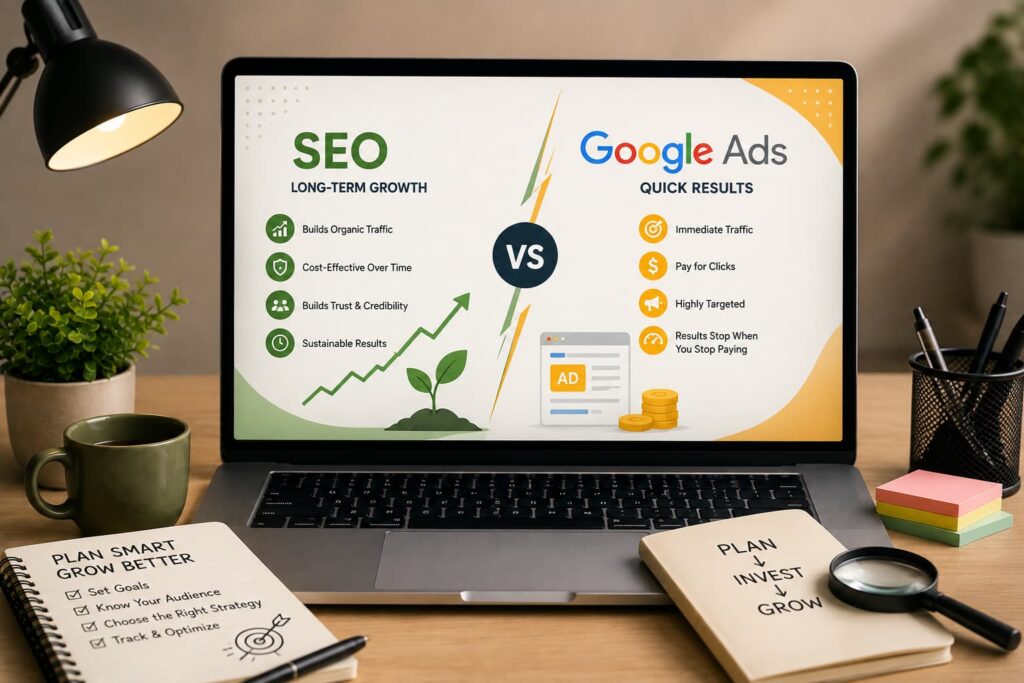

Starting a business in India is like playing a game of chess. You need to grab attention fast and build a lasting brand. The choice between SEO vs Google Ads can be tough. It’s a decision between quick traffic and lasting authority.
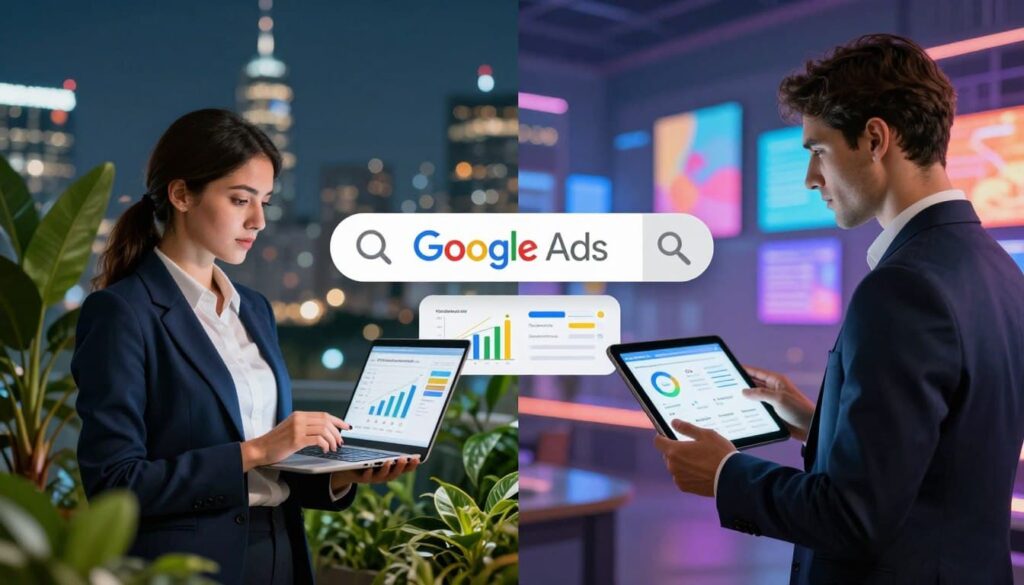
Deciding where to spend your money needs clear goals. You must balance instant visibility with long-term growth. Knowing your market well helps you choose wisely. This guide will help you pick the best path for your business.
Key Takeaways
- Understand the fundamental differences between organic search and paid marketing.
- Evaluate your business goals to determine if you need immediate results or long-term growth.
- Learn how to calculate the potential return on investment for your digital campaigns.
- Discover why the Indian market requires a tailored approach to search visibility.
- Gain clarity on when to combine both strategies for maximum impact.
Understanding the Core Differences Between Organic and Paid Search
Choosing between organic search and paid advertising is key for any growing business in India. Both aim to bring traffic to your site but work differently. They offer unique benefits for your digital marketing efforts.
Defining Search Engine Optimization for the Indian Market
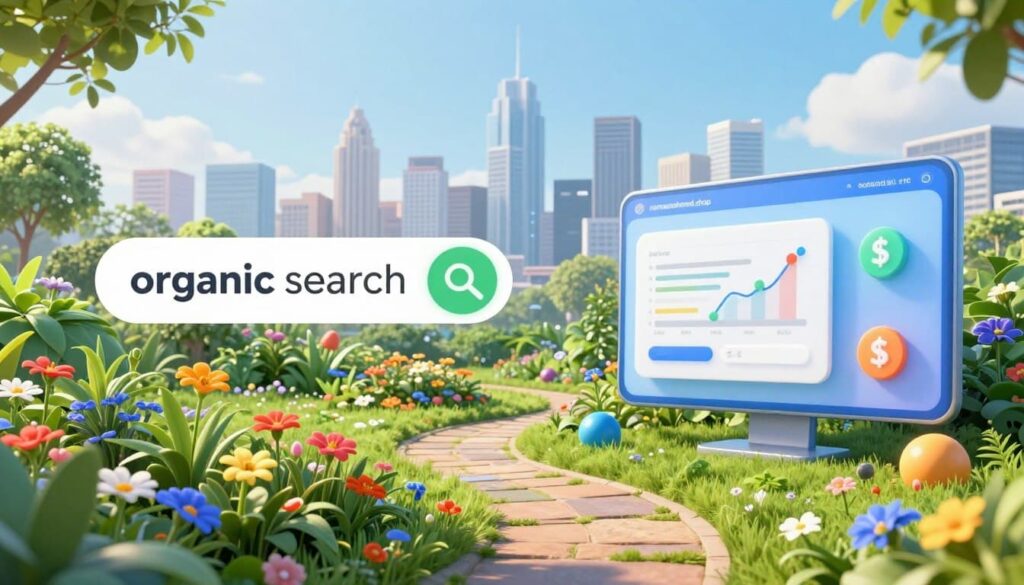
Organic search means unpaid results on search engine pages based on relevance and authority. In India, seo benefits are long-term. Building trust with local users takes time and effort.
Optimizing content for regional queries helps establish a steady stream of traffic. This is crucial for brands wanting to build credibility without constant ads.
The Mechanics of Google Ads and Paid Advertising
Paid advertising gives immediate visibility by placing your brand at the top of search results. With google ads, you pay for clicks on your ads. This system is great for urgent promotions or new product launches in competitive markets.
Understanding ppc vs seo helps you use your resources wisely. This ensures you reach users ready to buy at the right time.
Key Performance Indicators for Digital Marketing Success
To see how well your campaigns work, track specific metrics that match your business goals. Whether it’s organic growth or google ads, making decisions based on data is crucial.
| Metric | Organic Search | Paid Advertising |
|---|---|---|
| Primary Goal | Brand Authority | Immediate Conversions |
| Cost Structure | Time/Content Investment | Cost-Per-Click (CPC) |
| Traffic Speed | Gradual | Instant |
By watching these indicators, you can improve your strategy and get better returns. A mix of organic search and paid advertising builds a strong foundation for your business in India’s digital world.
Assessing Your Business Goals and Timeline
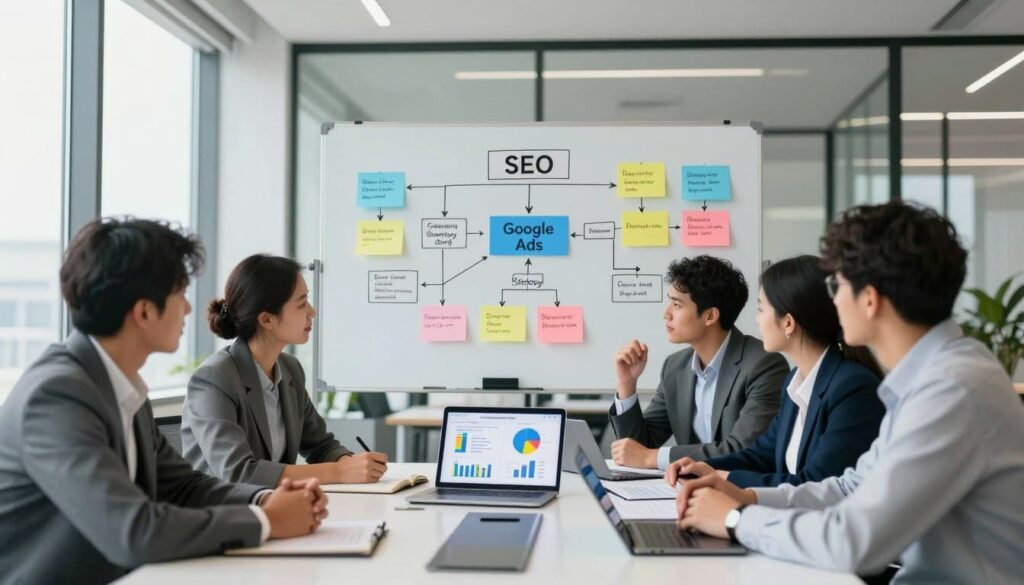
Every successful digital marketing campaign starts with knowing your business well. Before spending money, figure out if you need to survive now or grow later. This ensures your money is used wisely, not wasted on things you don’t need right away.
Identifying Short-Term Revenue Requirements
If money is tight, you need quick results to keep going. Paid ads can give you instant visibility to sell more. Choose channels like Google Ads for fast sales.
- Analyze your current monthly burn rate.
- Determine the minimum number of leads required to break even.
- Focus on high-intent keywords that capture users ready to purchase immediately.
Building Long-Term Brand Authority and Trust
Paid ads help fast, but they stop when you do. Investing in digital marketing through organic search builds trust that lasts. By making great content, you become a leader in the Indian market.
Consistency is the key to lasting success. Over time, organic traffic saves money and lowers costs. This is key for growing without relying too much on ads.
Evaluating Your Current Digital Maturity Level
Your ability to use a complex strategy depends on your digital maturity. If your site isn’t optimized or you can’t track conversions, paid ads might not be the best choice. Check your skills before spending.
Think about these when checking your maturity:
- Technical Infrastructure: Is your website fast and mobile-friendly?
- Data Analytics: Do you have proper tracking set up to measure ROI?
- Content Resources: Can you produce the high-quality content needed for organic growth?
Be honest about these areas to choose the right path. This avoids wasting money and helps your business grow steadily.
Step-by-Step Guide to Launching Your Google Ads Campaign
Starting your first ad campaign can boost your online presence. To do this well, you need a solid plan. It’s not just about setting a budget. You must also think about what your market needs.

Setting Up Your Google Ads Account for India
First, set up your account to match the Indian market. Pick the right currency (INR) and time zone (IST). This helps avoid mistakes in billing and scheduling.
It’s crucial to target the right places. Decide if you want to reach people in big cities like Mumbai or across the whole country.
Conducting Keyword Research for High-Intent Traffic
To get the most from your ads, find keywords that show people are ready to buy. Look for long-tail keywords that match what your customers are searching for.
- Use the Keyword Planner tool to estimate search volumes.
- Filter results by location to see what Indian users are typing.
- Prioritize terms with high commercial intent over broad, informational queries.
Crafting Compelling Ad Copy That Converts
Your ad copy is key to connecting with users. It should be short, persuasive, and clear about what you offer. This is especially true for google ads for business.
Make sure your ad has a strong call to action (CTA). Emphasize what makes you different in just a few words.
Best Practices for Localized Ad Messaging
Localization is more than just translating. It’s about knowing your audience’s culture. Use language and messages that feel local and address their needs.
Here are some tips for better engagement:
- Incorporate regional dialects or colloquialisms where appropriate.
- Mention local offers or festive discounts to build immediate rapport.
- Ensure your messaging aligns with the cultural values of your target demographic.
Developing a Sustainable SEO Strategy for Long-Term Growth
To succeed in the Indian market, focus on a long-term SEO plan. Quick traffic boosts are not enough for lasting success. A solid seo strategy keeps your site visible to your audience for years.
Technical SEO Foundations for Better Crawlability
Your site needs to be easy for search engines to read. Technical SEO is key to a strong online presence. It ensures search engines can crawl your site without issues.
Work on fixing broken links and improving your site’s structure. A clean sitemap helps search engines index your pages better. A solid technical base unlocks the full seo benefits of your site.
On-Page Optimization Techniques for Indian Search Queries
Indian users search differently, with local intent. Tailor your content to match these patterns. Using natural language and addressing local issues helps connect with your audience.
Make sure your meta tags, headers, and content match what users search for. Aligning with local search trends boosts relevance and engagement. This turns visitors into loyal customers over time.
Building High-Quality Backlinks to Boost Domain Authority
Backlinks are like digital endorsements for your site. Links from reputable sites show search engines your authority. This is crucial for standing out in a crowded online space.
Create valuable content that attracts links from industry leaders. Avoid low-quality link farms, as they can damage your reputation. A steady flow of quality backlinks is vital for a successful seo strategy.
| Strategy Element | Short-Term Impact | Long-Term Value |
|---|---|---|
| Technical SEO | Low | High |
| On-Page Content | Medium | High |
| Backlink Building | Low | Very High |
Analyzing Budget Allocation and Cost Efficiency
Every rupee spent on marketing should be tracked to get the best return. When looking at your digital spending, focus on the real cost of getting a new customer. This includes google ads and other channels.

Calculating the Cost of Customer Acquisition in PPC
To see if your paid ads are worth it, calculate your Customer Acquisition Cost (CAC). This means dividing your ad spend by the number of new customers in a set time.
If your CAC is higher than what a customer is worth, you need to change your strategy. Precision in tracking is key to keep your paid search efforts going strong.
Understanding the Cumulative Value of Organic Traffic
Paid search gives quick visibility, but organic traffic builds your brand’s value over time. When comparing ppc vs seo, remember organic efforts cost less as your site’s authority grows.
“The best marketing doesn’t feel like marketing; it feels like a helpful resource that earns trust over time.”
Investing in quality content has a lasting effect. Unlike paid ads, which stop when you pause your budget, organic search keeps bringing visitors for months or years.
Managing Your Marketing Budget During Economic Fluctuations
The Indian market can be unpredictable, so you need to be quick with your budget planning. When the economy is down, cutting all spending might not be the best move.
Try focusing on high-intent keywords in google ads to keep your conversion rates up while saving money. By comparing ppc vs seo, you can move funds to the most stable channels during tough times.
- Check your conversion rates every day to spot campaigns that aren’t working.
- Invest in long-term SEO to protect your brand from sudden market changes.
- Have a flexible budget that lets you adjust quickly based on new data.
Evaluating Competitive Landscape and Market Saturation
Knowing your competition is key to digital success. By watching others, you can improve your strategy. Strategic analysis helps you make smart choices that save money.
Analyzing Competitor Presence in Paid Search Results
First, watch the ads for your main services in search results. Notice what your rivals highlight. This shows you their weaknesses to use against them.
If a rival often bids on certain terms, they likely get good results. You can either compete or find a unique angle for your brand. Regular monitoring keeps you ready for any changes in their ads.
Identifying Opportunities in Organic Search Gaps
Paid ads are quick, but organic search is key for lasting success. Many focus on popular keywords, missing specific queries. Create content that meets these needs to attract this traffic.
Look for terms where your rivals rank low or lack content. By filling these gaps, you become a trusted authority. This proactive approach to organic search is hard to follow.
Leveraging Search Engine Marketing to Gain Market Share
Good search engine marketing balances quick wins and long-term growth. Combining paid and organic efforts strengthens your online presence. This way, you can lead the search results and grow your market share in India.
The digital world is always evolving. Stay flexible and use search engine marketing to try new things. Regular optimization keeps you ahead of the competition.
Integrating SEO and Google Ads for a Unified Strategy
A strong digital marketing plan combines SEO and paid ads. Instead of seeing them as separate, treat them as parts of a whole. This way, you boost your brand’s reach in India.
Using Paid Data to Inform Your Organic Keyword Strategy
Your google ads campaigns offer valuable insights. They help refine your seo strategy. By looking at which ads lead to sales, you find key words for your organic content. This method makes sure you meet your audience’s needs based on real data.
“The most effective marketing strategies are those that treat data as a compass, guiding every decision toward the customer’s true intent.”
Retargeting Organic Visitors with Paid Advertising
Not everyone buys on their first visit. Use paid advertising to remind visitors about your site. This keeps your brand in their minds, making them more likely to buy.
Showing ads to those who’ve visited before makes your brand feel more personal. This is key in competitive markets where people often compare before buying.
Creating a Synergistic Digital Marketing Ecosystem
To build a unified system, your SEO and paid teams must talk. Balancing SEO vs Google Ads means your brand is everywhere in search results. This builds trust and authority with your audience.
By combining both, you use your budget better and keep traffic flowing. This creates a solid base for your business to grow online.
Common Pitfalls to Avoid When Starting Your Campaigns
Success in the digital world depends on avoiding common mistakes. When starting google ads, excitement can lead to poor planning. This can waste resources and miss opportunities.
Overspending on High-Competition Keywords
Many beginners spend too much on broad, high-competition keywords. These keywords have high search volumes but don’t drive sales. Focus on long-tail keywords that fit your niche.
“The biggest mistake in advertising is trying to be everything to everyone, rather than being the perfect solution for someone.”
Targeting specific phrases ensures your google ads for business reach users ready to act. This keeps your investment healthy and avoids spending on irrelevant clicks.
Neglecting Mobile Optimization for Indian Users
India is a mobile-first country. Most potential customers will see your brand on a smartphone. If your pages aren’t mobile-friendly, you’ll lose traffic fast.
Make sure your site loads quickly and looks good on small screens. Ignoring mobile optimization is a big mistake. Always test your mobile site before launching any campaign.
Failing to Track Conversions Accurately
You can’t improve what you don’t measure. Not tracking conversions means you’re managing google ads without data. Without data, you can’t see which ads or keywords work.
Use strong tracking tools to follow the customer journey. This data helps improve your google ads for business strategy. Accurate tracking is key to growing.
Conclusion
Choosing between SEO and Google Ads depends on your business goals. You now know how to balance quick traffic gains with building your brand over time. Using data to guide your budget is key.
Your success comes from watching your performance and adjusting to new trends. The digital world changes fast, but knowing your audience keeps you competitive. Use what you’ve learned to make your marketing better.
Begin by testing small campaigns to see what works in India. Mix your SEO data with paid ads for a strong strategy. This approach leads to lasting growth and trust with your audience.
Start improving your online presence today. With consistent effort and smart changes, your brand will see big improvements. Your path to digital success begins with these smart choices.
Want to know more regarding this, visit our LinkedIn page
FAQ
Between PPC vs SEO, which should I prioritize for immediate revenue in the Indian market?
For quick revenue, focus on paid advertising. Google Ads puts your business at the top of search results fast. This is great for urgent promotions or new product launches on Flipkart or Zomato.Organic search is good for the long run but takes time. So, paid search is the quickest way to get people to your site.
What are the primary SEO benefits for a growing business in India?
A: SEO builds your brand’s long-term authority and cuts down on ad costs. A good SEO strategy keeps your site visible even after ad spending stops. In India’s mobile-first market, being in organic search builds trust and credibility that ads can’t match.
How can I effectively use Google Ads for business to compete with larger brands?
Use Google Ads for business to target niche keywords big brands might miss. Focus on local search engine marketing and make your ads very relevant. This can get you a better Quality Score, leading to lower costs and better ad spots.
Is it possible to integrate my SEO strategy with my Google Ads campaigns?
Yes, combining your digital marketing efforts is key. Use paid advertising data to improve your organic search content. Also, use Google Ads to retarget users who found your site through organic search. This boosts your conversion rates and ROI.
Why is search engine marketing essential for navigating market saturation?
A: Search engine marketing (SEM) is vital in a crowded digital space. It helps you stay visible and find gaps in organic search where competitors are weak. Use paid search to grab market share quickly while your SEO strategy secures rankings for the long term.
How do I manage my digital marketing budget during economic fluctuations?
In economic changes, analyze the cost of getting customers through all channels. Paid advertising is scalable, but organic search often has better long-term value. Balance your digital marketing with a solid SEO strategy for baseline traffic and adjust Google Ads spend as needed.
What are common pitfalls when launching a search engine marketing campaign in India?
Don’t ignore mobile optimization, as most Indians use smartphones. Also, avoid spending too much on competitive keywords without tracking conversions in Google Ads. Success requires localized efforts and accurate ROI tracking for both paid search and organic search.