
Imagine walking down a busy street in Mumbai. You see two shops side by side. One has a faded, hand-painted sign and cluttered windows. The other has a sleek, modern storefront with clear branding. Which one do you enter? Most people choose the second shop because visual cues instantly signal reliability.
This same principle applies to your digital presence. High-quality Graphic Design for Business acts as a silent ambassador for your company. It communicates your values and professionalism before a single word is spoken.

In today’s competitive market, consumers are overwhelmed with choices. They rely on aesthetics to filter out brands that seem untrustworthy. Investing in professional visuals is no longer just an option; it is a strategic necessity. When you prioritize Graphic Design for Business, you build a foundation of trust that turns casual visitors into loyal clients.
Key Takeaways
- Visual identity serves as the first point of contact for potential customers.
- Professional aesthetics significantly increase brand credibility and perceived value.
- Consistent visual communication helps differentiate your brand in crowded markets.
- Trust is established through high-quality imagery and thoughtful layout choices.
- Modern companies must view design as a core investment rather than an expense.
The Psychology Behind Visual Perception and Brand Trust
Humans quickly judge your business based on what they see. Before they read a word, their brain has already made a judgment. This judgment is key to brand trust and whether they’ll learn more or look elsewhere.
How First Impressions Shape Consumer Decisions
When someone visits your site or sees your ad, they make a quick subconscious evaluation. This isn’t a logical process. It’s about the brain’s need to spot safety and quality fast. If your design looks messy or old, it can hurt your reputation.
To make a good impression, focus on these important factors:
- Visual Clarity: A simple layout makes it easier for the brain to understand.
- Professionalism: Good graphics show you care about your business and customers.
- Consistency: The same design everywhere makes your brand seem stable and reliable.
The Role of Color Theory in Establishing Emotional Connections
Color is a powerful tool in design because it affects us right away. Different colors can make us feel different things, like excitement or calm. By picking the right colors, you can match your brand’s personality with what your audience wants to feel.
For example, banks often use blue for stability, while stores use red to get people excited. Knowing these color meanings helps you shape how people see your brand before they even try your products. Choosing colors wisely is more than just making things look good. It’s a smart way to build trust in your brand over time.
Defining Your Visual Identity to Enhance Brand Credibility
Your visual identity is like a silent ambassador for your business. It includes everything that shows who you are, like colors and fonts. By investing in business graphic design, you show the world you’re serious and reliable.
A strong visual identity does more than look good. It builds brand credibility. When your visuals look polished, customers trust you more. This trust is key for growing your business and keeping customers.
Creating a Consistent Brand Language
Consistency is key to a recognizable brand. Your messaging should be the same everywhere, from ads to invoices. A unified brand language makes your business easy to spot, no matter where.
Creating a style guide helps keep your brand consistent. It outlines your preferred fonts, colors, and images. When your team sticks to these guidelines, your brand’s voice stays strong and clear.
Why Professional Design Matters for Market Positioning
In a competitive world, professional design sets you apart. It makes your business stand out and shows you’re a leader in your field. People often see high-quality visuals as a sign of quality products or services.
The table below shows how design choices affect how your business is seen in the Indian market:
| Design Element | Amateur Approach | Professional Approach |
|---|---|---|
| Color Palette | Random, clashing colors | Strategic, psychological choices |
| Typography | Hard to read, outdated fonts | Clean, modern, legible fonts |
| Brand Impact | Low trust, confusion | High authority, recognition |
| Market Status | Seen as a hobbyist | Seen as an industry leader |
By focusing on professional design, you make a lasting impression. This approach ensures your business is not just noticed but remembered for its quality and dedication to excellence.
Step One: Developing a Memorable Logo Design
A professional logo design is key to your visual identity. It represents your brand’s reputation and values. When people see your logo, they should know what your business stands for.
The Importance of Simplicity and Scalability
A simple design lasts longer. A clean, easy-to-remember logo works well everywhere. It looks great on small business cards or big billboards.
Scalability means your logo looks good in any size. If it gets fuzzy when shrunk, it won’t work. Use clean lines and balanced shapes for clarity everywhere.
“Design is not just what it looks like and feels like. Design is how it works.”
Steve Jobs
Avoiding Common Pitfalls in Logo Creation
Don’t follow every design trend. What’s trendy today might look old soon. Create a logo that lasts, not just looks good for now.
Don’t make your logo too complicated. Too many colors, fonts, or icons confuse people. A good visual identity is simple and clear.
| Design Feature | Effective Approach | Common Pitfall |
|---|---|---|
| Complexity | Minimalist and clean | Overly detailed |
| Longevity | Timeless aesthetic | Trend-focused |
| Versatility | Scalable vector | Fixed resolution |
| Color Usage | Limited palette | Excessive variety |
Step Two: Establishing a Cohesive Color Palette and Typography
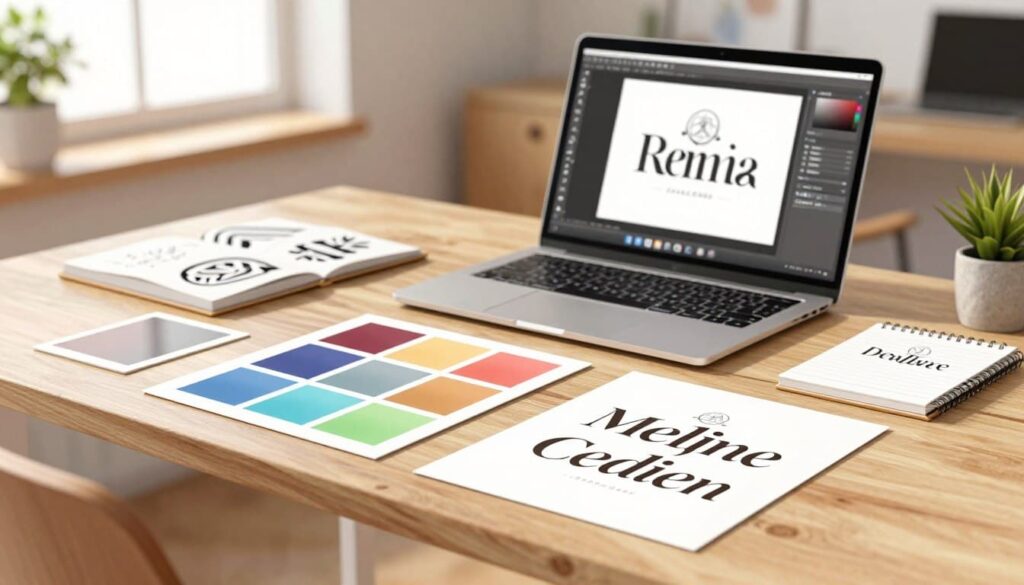
Color and typography are key to your brand’s voice. They help create a cohesive visual language that connects with your audience. Good brand design balances looks and clarity.
Selecting Fonts That Reflect Your Brand Personality
Your typeface is your business’s voice. Serif fonts show authority and tradition. Sans-serif fonts are great for a modern, minimalist, or tech-forward look.
Think about how your font looks on different screens. A font that works on a computer might not on a phone. Always choose readability to make sure your message gets through.
Using Color Psychology to Influence Purchasing Behavior
Colors do more than just look good; they evoke emotions. Blue builds trust and security, while red creates urgency. Using these colors in your brand design can push customers to buy.
Keep your colors the same everywhere to strengthen brand recognition. When customers see your colors, they should think of your brand. Color is a powerful tool for engaging and converting customers.
Step Three: Implementing Professional Design in Marketing Materials
Physical marketing materials connect your business with potential customers. They show how well you present your brand in the real world. A unified marketing design strategy across all materials keeps your brand consistent and trustworthy.
Designing High-Converting Brochures and Flyers
Your brochures and flyers need to look good and be easy to read. A messy layout can confuse people and make them throw it away. Instead, use a clean design that leads the reader to your call to action.
Here are key things to include in your printed materials:
- Clear Headlines: Use bold, concise text to state your value proposition immediately.
- Strategic White Space: Allow your content to breathe so the reader does not feel overwhelmed.
- High-Quality Imagery: Use professional photos that align with your brand’s visual language.
- Simplified Contact Info: Make it incredibly easy for customers to find your website or phone number.
Ensuring Print Quality Reflects Business Standards
The feel of your marketing materials is as important as how they look. When someone holds your brochure, the paper’s weight and texture show your professional design standards. High-quality printing shows you value excellence and aim to provide a top-notch experience.
Choosing the right materials is key to how your business is seen. A cheap flyer might look like you didn’t invest much. But a solid, well-printed brochure shows stability and reliability. Always go for premium paper stocks and professional finishes to make a strong, positive impression.
Step Four: Optimizing Social Media Design for Engagement
Social media design is key to turning casual browsing into real engagement. Your visuals must quickly share your brand’s values. By tailoring your look for each platform, you keep your brand fresh and familiar to your audience.

Maintaining Visual Consistency Across Platforms
Being consistent online is crucial for a professional image. Your brand should look the same on Instagram, LinkedIn, and Facebook. Using the same colors and fonts helps keep your look professional without needing a new design for every post.
Make a set of rules for how your logo and images look on different screens. This stops your brand from looking different everywhere. Consistency builds trust, making your brand seem more reliable in a busy market.
Creating Shareable Content That Builds Authority
To be seen as an expert, your social media design must offer real value. Shareable infographics, educational posts, and data visualizations make people want to save and share your content. When your posts help people, they see your brand as a trusted source.
Make content that solves problems or answers questions in your field. Use compelling visuals with useful information. This turns your social media into a valuable resource. It boosts engagement and improves your market standing.
| Platform | Primary Visual Focus | Engagement Goal |
|---|---|---|
| High-quality imagery | Brand aesthetic | |
| Professional infographics | Industry authority | |
| Community-driven graphics | Customer interaction | |
| Twitter/X | Concise, bold visuals | Rapid information sharing |
Step Five: Leveraging Graphic Design for Business Websites
Your website is like a digital store where your brand meets the world. In the competitive Indian market, Graphic Design for Business is key. It connects your services with potential customers. A well-designed site is more than pretty; it’s a silent salesperson that guides visitors to buy.
Improving User Experience Through Intuitive Layouts
An intuitive layout keeps users engaged. When visitors arrive, they should know how to find what they need. Visual hierarchy is crucial here, guiding the eye to important actions.
Using consistent spacing and clear fonts makes things easier for users. This professional touch in Graphic Design for Business means customers find what they need easily. A clean layout builds trust and keeps visitors longer.
The Impact of High-Quality Imagery on Conversion Rates
High-quality images build credibility. Using real, professional photos shows you value quality and honesty. Blurry or generic stock photos can harm your professional image.
Choosing images wisely affects how customers see your value. When images match your brand, they create an emotional bond that boosts sales. Investing in Graphic Design for Business through quality visuals increases your sales.
| Design Element | User Impact | Business Outcome |
|---|---|---|
| Intuitive Navigation | Reduced Bounce Rate | Higher Engagement |
| High-Quality Imagery | Increased Trust | Improved Conversions |
| Visual Hierarchy | Clearer Path to Purchase | Higher Sales Volume |
Step Six: Utilizing Creative Design for Packaging and Product Presentation
Your product packaging is a key part of your brand. By using creative design for shipping, you turn a simple delivery into a marketing tool. This makes your brand stand out the moment a customer touches your product.

Building Trust Through Tangible Brand Experiences
Touching your brand is often the most memorable part of the customer journey. Investing in quality materials and design shows you value excellence. This builds trust right away, as customers see the care in the packaging.
“Design is not just what it looks like and feels like. Design is how it works.”
Steve Jobs
Think about how textures, colors, and structure affect the user. A strong, branded box protects your items and shows your professionalism. This creative design makes your brand stand out in a crowded market, appearing more premium and reliable.
How Unboxing Experiences Influence Customer Loyalty
The unboxing experience has become a big deal, driving social sharing and repeat business. A well-thought-out unboxing creates an emotional bond, encouraging customers to come back. This turns a simple buy into a memorable event that builds brand loyalty.
The table below shows how different packaging strategies affect how customers see your brand and how it impacts your business:
| Packaging Element | Standard Approach | Premium Creative Design |
|---|---|---|
| Material Quality | Basic cardboard | Sustainable, high-texture stock |
| Brand Messaging | None or minimal | Personalized notes and storytelling |
| Customer Impact | Functional utility | Emotional delight and loyalty |
| Repeat Purchase Rate | Low to moderate | High and consistent |
By focusing on these details, your creative design efforts lead to loyal customers. Every part, from custom tape to layout, tells your brand’s story. This focus on quality keeps your business top of mind for your customers.
Step Seven: Selecting the Right Graphic Design Services
Finding the right creative design talent can be tough without a clear plan. Choosing the right partner is key to keeping your brand strong and your visuals appealing to your audience. By being systematic, you can find someone who gets your vision.
Evaluating Portfolios and Creative Capabilities
When checking out a potential partner, don’t just look at how good their work looks. A good portfolio shows they can handle different tasks and understand brand strategy. They should be able to change their style to fit your business needs.
Make sure their past work matches your company’s size and style. It’s important they can handle the types of projects you need, like digital stuff, print, or packaging.
“Design is not just what it looks like and feels like. Design is how it works.”
Steve Jobs
Collaborating Effectively with Design Professionals
After picking a partner, clear talk is key. Set clear goals for when things need to be done and what you expect. A good designer needs a detailed plan that shows what you want and who you’re trying to reach.
Keep talking throughout the project to make sure the creative design stays on track with your business. Treating your designer as a partner, not just a service, can make your brand’s look even better. The best graphic design services come from working together well.
Common Mistakes That Undermine Brand Credibility
Many businesses unknowingly harm their growth by neglecting the small details of their visual communication. If your visual assets don’t match your core values, you might lose your audience’s trust. Keeping brand credibility means being careful with every visual detail.
The Dangers of Inconsistent Branding
Inconsistency can quickly damage the trust you’ve built. If your social media, website, and marketing materials look different, it’s hard for customers to recognize you. This lack of uniformity makes your business seem unstable and unprofessional.
When your business graphic design doesn’t have a clear voice, it shows you’re disorganized. A mixed identity makes it hard for customers to understand your brand. Consistency is key to recognition, and without it, your brand might get lost in the market.
Why Cluttered Designs Drive Customers Away
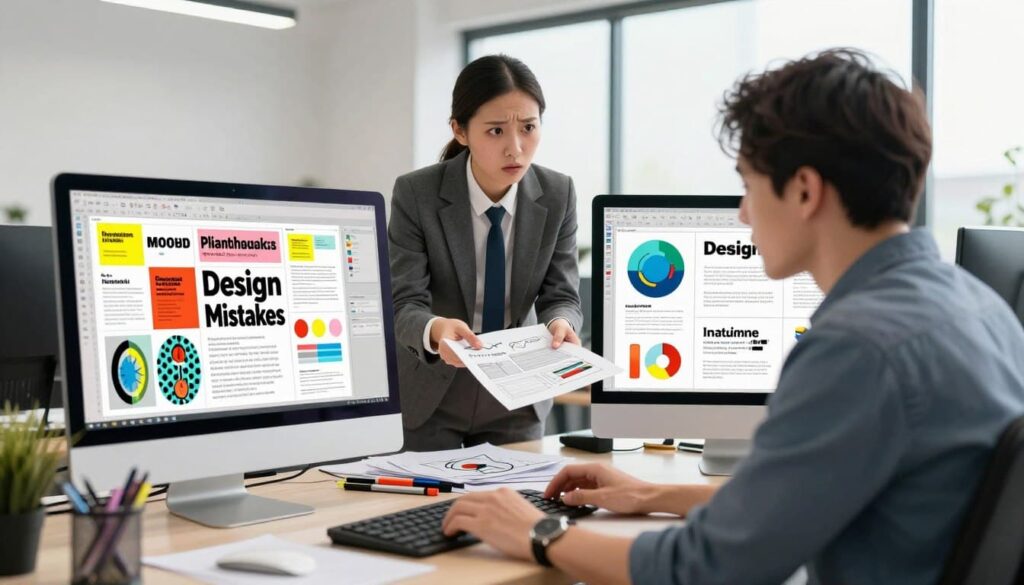
A cluttered design happens when you try to say too much at once. Too many images, text, and graphics overwhelm the viewer. This can make people leave your site or discard your materials quickly.
Good logo design and layout use white space effectively. Simplifying your design lets your message stand out without distractions. Remember, less is often more when you want to show authority and clarity.
| Design Element | Ineffective Approach | Professional Standard |
|---|---|---|
| Visual Layout | Overcrowded and busy | Clean and spacious |
| Color Usage | Too many competing hues | Harmonious, limited palette |
| Typography | Multiple conflicting fonts | Consistent, readable hierarchy |
| Brand Impact | Confusing and forgettable | Memorable and trustworthy |
Measuring the ROI of Your Investment in Design
Investing in top-notch marketing design is just the start. The real value comes from measuring its success. You must go beyond just opinions to see how your visuals perform in the real world. By tracking key data, you can turn your creative work into a measurable business asset.
Tracking Engagement Metrics and Brand Sentiment
To see how well your visuals work, start by watching engagement metrics online. Check website banner clicks and social media interactions. These numbers show if your design grabs attention in a busy market.
But it’s not just about numbers. You also need to check brand sentiment. Use surveys or social listening tools to see what people say about your brand after a design update. If they use words like “professional,” “trustworthy,” or “modern,” your marketing design is doing great.
Connecting Visual Improvements to Sales Growth
The main goal of any design update is to boost sales. You can link your design changes to sales growth by using A/B testing on your landing pages. This lets you see how your new design affects conversion rates compared to the old one.
Here’s a table to help track how design changes affect your business:
| Design Element | Primary Metric | Business Impact |
|---|---|---|
| Logo Refresh | Brand Recall | Increased Customer Loyalty |
| Website Layout | Bounce Rate | Higher Conversion Rates |
| Ad Creatives | Click-Through Rate | Lower Acquisition Costs |
Remember, consistent visual storytelling builds long-term value. When you match your marketing design with sales data, you create a powerful cycle. This cycle helps you keep improving your strategy, making sure every detail supports your growth goals.
For more related content pls visit our Linkedin page
Conclusion
Your visual identity is like a silent ambassador for your business. Investing in top-notch brand design changes how customers see your value and trustworthiness. This is especially important in a busy market.
You have the tools to create a look that speaks to your audience. Using these visual elements consistently builds trust over time. This focus on professional design is a long-term asset that boosts customer loyalty and your market share.
Use these tips to improve your digital and physical presence today. A well-designed look helps your company stand out, just like Apple or Nike. Your commitment to good design keeps your business relevant and appealing for years.
Begin improving your visual strategy to see its impact on your profits. Share your progress or get help from design experts to enhance your assets. Your journey to a more authoritative and recognizable brand starts with your next creative decision.
FAQ
Why is business graphic design considered a critical factor in building customer trust?
Your business graphic design is like a silent ambassador for your company. It helps form the first impression with potential customers. High-quality professional design shows your business is serious and detail-focused.By investing in good design, you make a strong first impression. This inspires confidence, not doubt.
How does a consistent visual identity enhance my brand credibility?
A strong visual identity means your message looks the same everywhere. This makes you seem reliable. Brands like Apple and FedEx use this to stand out.Without this uniformity, your brand credibility can drop. Customers get confused by mixed messages.
What are the most important elements to consider during the logo design process?
When designing a logo, keep it simple and scalable. A good logo, like the Nike Swoosh, looks great everywhere. Avoid complicated designs or trendy elements that will soon go out of style.
How do typography and color theory influence purchasing behavior?
Fonts and colors in brand design affect how people feel. A bold font can show authority, while a simple one suggests modernity. Colors like red for Target or green for Whole Foods can influence buying decisions.
Why is professional social media design necessary for engagement?
Social media design keeps you visible in a crowded online space. High-quality visuals make your brand stand out. This consistency across platforms like Instagram and LinkedIn boosts engagement.
How does creative design in packaging impact long-term customer loyalty?
Creative design makes your product delivery memorable. Packaging like Tiffany & Co. creates a special connection with customers. This quality interaction builds loyalty and encourages repeat business.
What should you look for when evaluating graphic design services?
When choosing graphic design services, look beyond looks. Check if their work solves your business problems. They should match your goals and have a good track record of working together.Choosing the right partner ensures your vision is done well and on time. It keeps your brand true to itself.
What are the dangers of inconsistent branding and cluttered designs?
Inconsistent brand design can confuse and lose customers. Cluttered or poor designs make you seem unprofessional. Simplify your design to let your message shine and avoid losing customers to competitors.
How can you measure the return on investment (ROI) for your design projects?
You can measure your professional design impact by tracking engagement metrics. Look at website clicks and brand sentiment shifts. Connect design changes to sales and customer growth to see your ROI.